

Modern Kits Are Dead: Why $150 Synthetic Jerseys Are a Scam
Let's get one thing straight: if you've dropped $150 or more on a modern synthetic jersey in the last few years, you've been played. Not by the beautiful game itself, but by a billion-dollar merchandise machine that prioritizes profit margins over passion, polyester over quality, and corporate templates over actual football culture.
This isn't just an opinion. It's a reckoning.
The Great Jersey Heist
There was a time when buying a football shirt meant something. It was an investment in identity, a wearable piece of the terrace, a connection to the legends who wore similar colors on pitches from San Siro to Anfield. You'd wear it to the pub, to the market, to Sunday dinner at nonna's house. It lived with you.
Now? Modern kits have become disposable fashion experiments released every six months, designed in boardrooms by people who've never felt the electricity of a derby day, constructed with the cheapest materials that technology allows, and priced as if they're handcrafted by artisans in Milan.
The numbers don't lie. What once cost fans a reasonable sum has ballooned to $150, $200, sometimes $300 for an "authentic" version. And what do you get for that premium? Fake stitching. Printed decals that peel after a few washes. Thin, scratchy polyester that clings to your skin like a desperate ex. Names and numbers that are quite literally slapped on: computer-printed shortcuts that wouldn't pass quality control at a knockoff market stall.
The irony? Counterfeit jerseys from overseas sellers now offer comparable construction quality at a fraction of the price. When your $30 fake looks and feels nearly identical to your $150 "official" kit, something has gone terribly, fundamentally wrong.
Polyester: The Enemy of Streetwear
Here's the uncomfortable truth that Nike, Adidas, and the rest of the sportswear giants don't want you to hear: modern synthetic jerseys were never designed for you to actually wear.
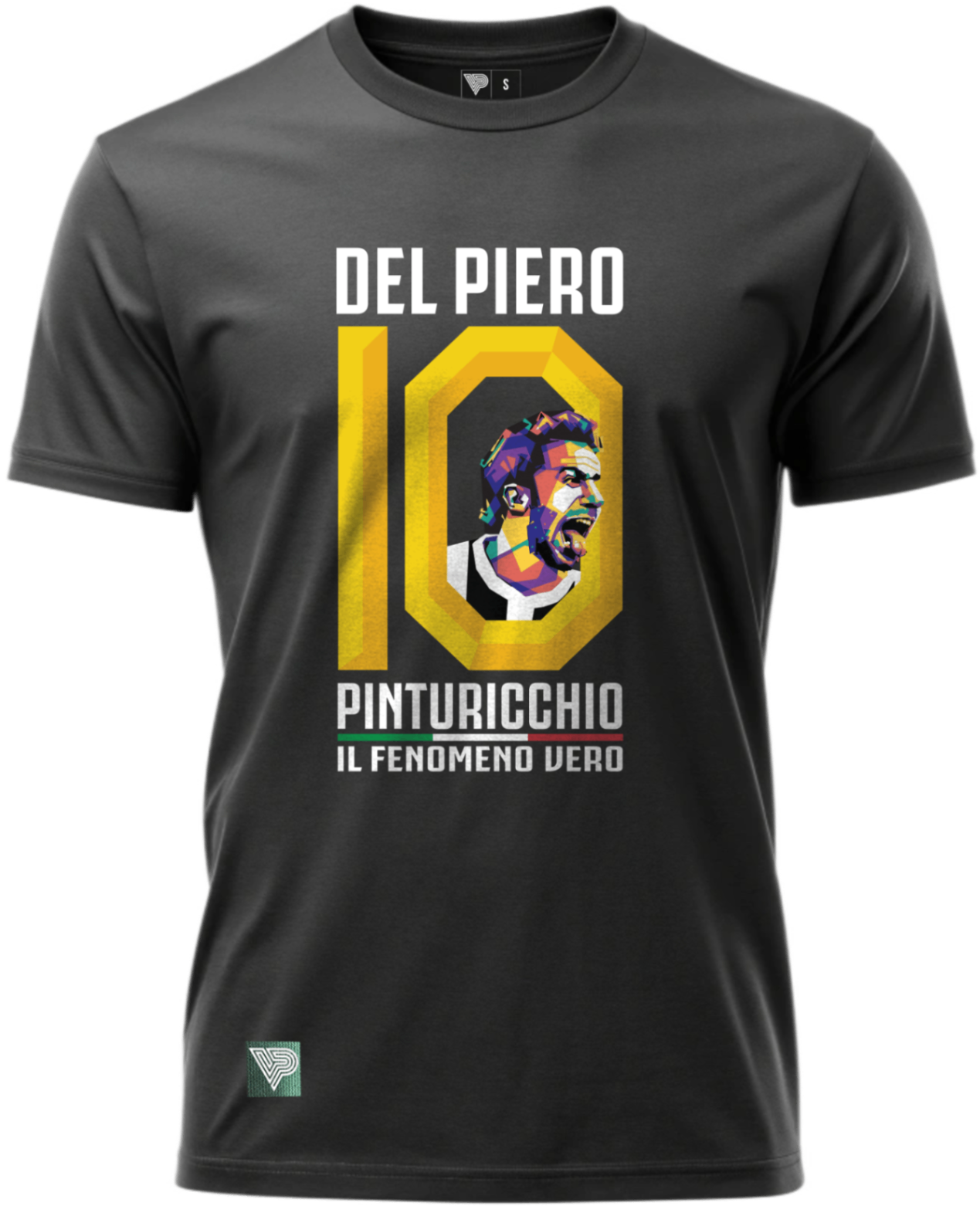
They're engineered for elite athletes performing under stadium lights, where moisture-wicking technology and lightweight fabrics serve a genuine purpose. For the other 99.9% of us: the ones watching from the stands, the couch, or the corner bar: polyester is a nightmare.
It doesn't breathe properly in real-world conditions. It looks cheap under natural light. It wrinkles awkwardly when you sit down. It screams "I'm trying too hard" when paired with jeans or sneakers. And perhaps most damning of all, it ages terribly. That shiny, plastic-adjacent finish that looks passable on day one? Give it six months of regular wear and it transforms into something your nan would use to dust the mantelpiece.
The blokecore movement didn't emerge from thin air. It rose because real football fans: people who understand that calcio culture runs deeper than match-day attendance: realized that vintage cotton tees and heritage-inspired designs actually work as streetwear. They sit properly on the body. They get softer and more characterful with age. They look intentional rather than desperate.
Modern kits, on the other hand, exist in an awkward limbo: too athletic for the street, too flimsy for actual sport, too expensive for what they deliver. They're costumes, not clothing.
The Soul Tax
Beyond the material failures lies something even more troubling: modern kits have lost their soul.
Remember when a team's shirt told a story? When the design elements connected to the city, the culture, the history? When wearing the colors meant carrying generations of passion on your chest?

Today's kits are designed by algorithm. Focus-grouped into blandness. Stripped of any authentic connection to place or tradition in favor of "global market appeal." The same template gets recycled across dozens of clubs with minor color adjustments. Special editions commemorate... what exactly? A sponsorship deal? A streaming partnership? A collaboration with a luxury brand that's never stepped foot inside a stadium?
The clubs themselves have become complicit. New kits drop every season: sometimes multiple times per season: because the revenue model demands constant consumption. That shirt you bought in August? It's already "last season" by February. The message is clear: your loyalty is less important than your wallet.
And fans are catching on. The secondhand market for vintage shirts has exploded precisely because people are hungry for authenticity. They want the heavy cotton Fiorentina shirt from 1998. The Roma jersey that actually feels like something Totti would have worn. The Baggio-era Juventus kit with proper stitching and a weight that suggests permanence.
They want football heritage, not football fast fashion.
Cotton, Comfort, and Calcio Culture
There's a reason the golden era of football fashion: roughly the late '80s through the early 2000s: remains the reference point for anyone serious about the culture. Those shirts were built differently. Literally.

Heavy cotton construction that draped properly. Embroidered crests with actual texture. Designs that reflected local identity rather than global marketability. These weren't performance garments: they were badges of belonging, meant to be worn proudly in everyday life.
At Vintage Pitch, we've built our entire philosophy around this understanding. Our Serie A Icons collection doesn't attempt to replicate match-day jerseys. Instead, we create premium cotton tees that honor the legends: the Baggios, the Del Pieros, the Tottis: through original artwork and authentic storytelling.
The difference is intentional. A synthetic replica says "I watch football." A heritage-inspired cotton tee says "I understand football culture."
Our Legends Pitch collection celebrates the players who defined eras, rendered in designs meant to be worn to the café, the market, the terraces. The Derby collection captures the intensity of football's greatest rivalries: Milano, Roma, Turin: through graphics that spark conversation rather than confusion.
This is what football fashion should be: comfortable, meaningful, and built to last.
The Streetwear Alternative
The blokecore aesthetic didn't just happen. It emerged as a direct rejection of everything modern kit culture represents.
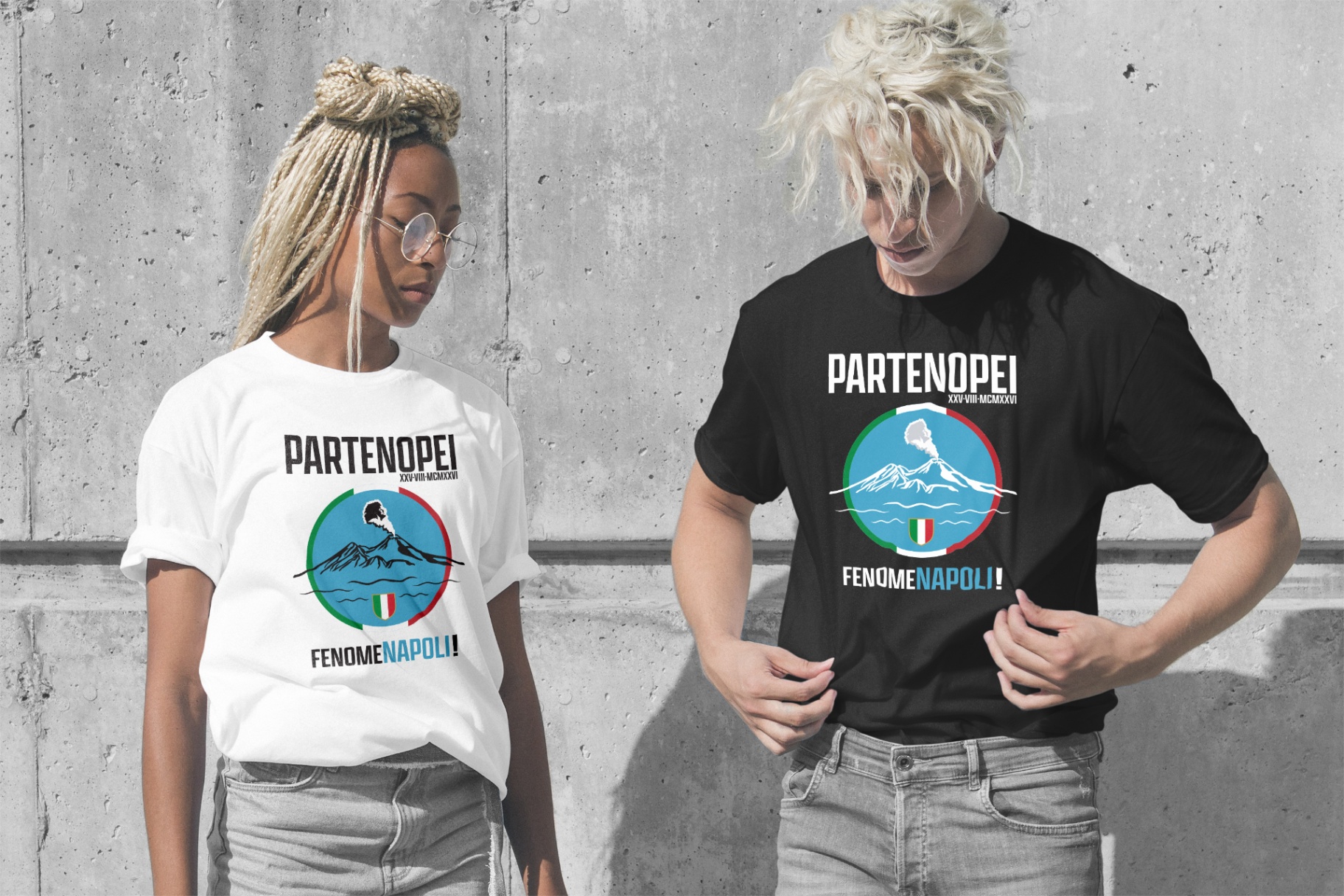
When you see someone pairing a vintage-inspired football tee with relaxed denim and classic trainers, you're witnessing a statement. It says: I love this game, but I refuse to be exploited by it. I want to honor the heritage without becoming a walking billboard for a multinational corporation's quarterly earnings report.
This is why premium cotton matters. This is why original design matters. This is why storytelling matters.
A tee celebrating the Partenopei with Mount Vesuvius rising behind the Scudetto shield: that's culture. A graphic honoring the Rossoneri's 1899 origins through considered typography and classic color blocking: that's respect. The Calcio & Cucina collection that blends Italy's twin obsessions of football and food: that's understanding the culture on a deeper level.
Modern kits can't offer this. They're too busy chasing the next drop, the next sponsor, the next revenue stream.
Reclaim Your Football Identity
Here's the bottom line: you don't owe the sportswear industrial complex your money or your loyalty.
The next time you're tempted to drop $150 on a synthetic jersey that'll look dated in six months, ask yourself what you're actually buying. Performance technology you'll never use? A design that'll be replaced before the season ends? The privilege of being a walking advertisement?
Or you could invest in something with actual substance. Premium cotton that improves with age. Original artwork that tells a story. Heritage-inspired design that works on the street, at the match, and everywhere in between.
The calcio culture doesn't live in corporate boardrooms or algorithm-driven design labs. It lives in the passion of the tifosi, the history of the clubs, the legends who wore the colors when the colors still meant something.
Modern kits are dead. Long live football heritage. 🖤