

Why the “Retro Matchday” Trend Will Change the Way You Think About Football Heritage Tees
The modern football stadium is often a sea of synthetic fibers and neon gradients: a kaleidoscope of corporate branding that whispers of quarterly earnings rather than the soul of the game. But as we move through March 2026, a silent revolution is brewing in the stands, a movement that prioritizes the whispers of ghosts over the shouts of sponsors. The "Retro Matchday" trend is not merely a fleeting aesthetic choice for the fashion-forward; it is a profound reclamation of identity, a romantic return to the era when a club’s colors were a sacred shroud and a t-shirt was a testament to a lifetime of devotion.
For decades, the vintage kit was the domain of the obsessive collector: the treasure hunter scouring dusty attic bins or digital archives for a specific weave from a forgotten mid-week cup tie. Today, that niche passion has erupted into a mainstream cultural event. We are witnessing the legitimization of nostalgia as the primary language of the modern fan. It is no longer about owning a piece of history; it is about living it, wearing it, and demanding that the beautiful game honors its lineage on the very pitch where history is made.
The La Liga Catalyst: When History Hits the Pitch
The tectonic plates of football fashion shifted irrevocably in April 2026. For the first time in the history of Europe’s top five leagues, an entire division decided to pause the relentless march of "modernity" to look backward. La Liga’s coordinated Retro Matchday initiative: where 38 clubs simultaneously stepped onto the pitch wearing designs inspired by their most iconic eras: transformed heritage from a subculture into an official, celebrated part of professional competition.
This was not a simple marketing gimmick. By unveiling these historically-inspired designs at Madrid Fashion Week, the league signaled a new truth: the football kit has transcended the locker room to become high-end design currency. It is a bridge between the grass of the Bernabéu and the runways of the world. When a club acknowledges that its "collection that never goes out of style" is as vital as its current away strip, it validates every fan who has ever preferred the heavy cotton of the past to the moisture-wicking plastic of the present.

This institutionalization of the retro aesthetic means that heritage tees are no longer just "old clothes." They are cultural artifacts. Whether it is the deep Blaugrana of a 1990s Catalan dream or the stark white of a legendary Madrid side, these garments carry the weight of every cross, every tackle, and every tear shed in the stands. They are a shared experience: a generational bond where a son wears the same aesthetic his father wore during a title-winning season, turning personal nostalgia into a collective roar.
The Italian Soul: Calcio, Culture, and the Cult of the Icon
To understand the "Retro Matchday" trend is to understand the heart of Italian football: the Calcio culture that has always treated the aesthetic of the game with the same reverence as the tactics. In Italy, a football shirt is never just a shirt; it is a piece of art, a slice of history, and a declaration of regional pride. The trend finds its most potent expression here, where the lines between the pitch, the piazza, and the dinner table blur into a singular, beautiful mess.
Consider the iconography of the masters: the players who didn't just play the game, but painted it. The fascination with the Pinturicchio Del Piero style is a perfect example. Wearing a tribute to the "Godfather of the 10" is not just about fandom; it is about an appreciation for the fantasista, the creative spark that defies modern, robotic systems.
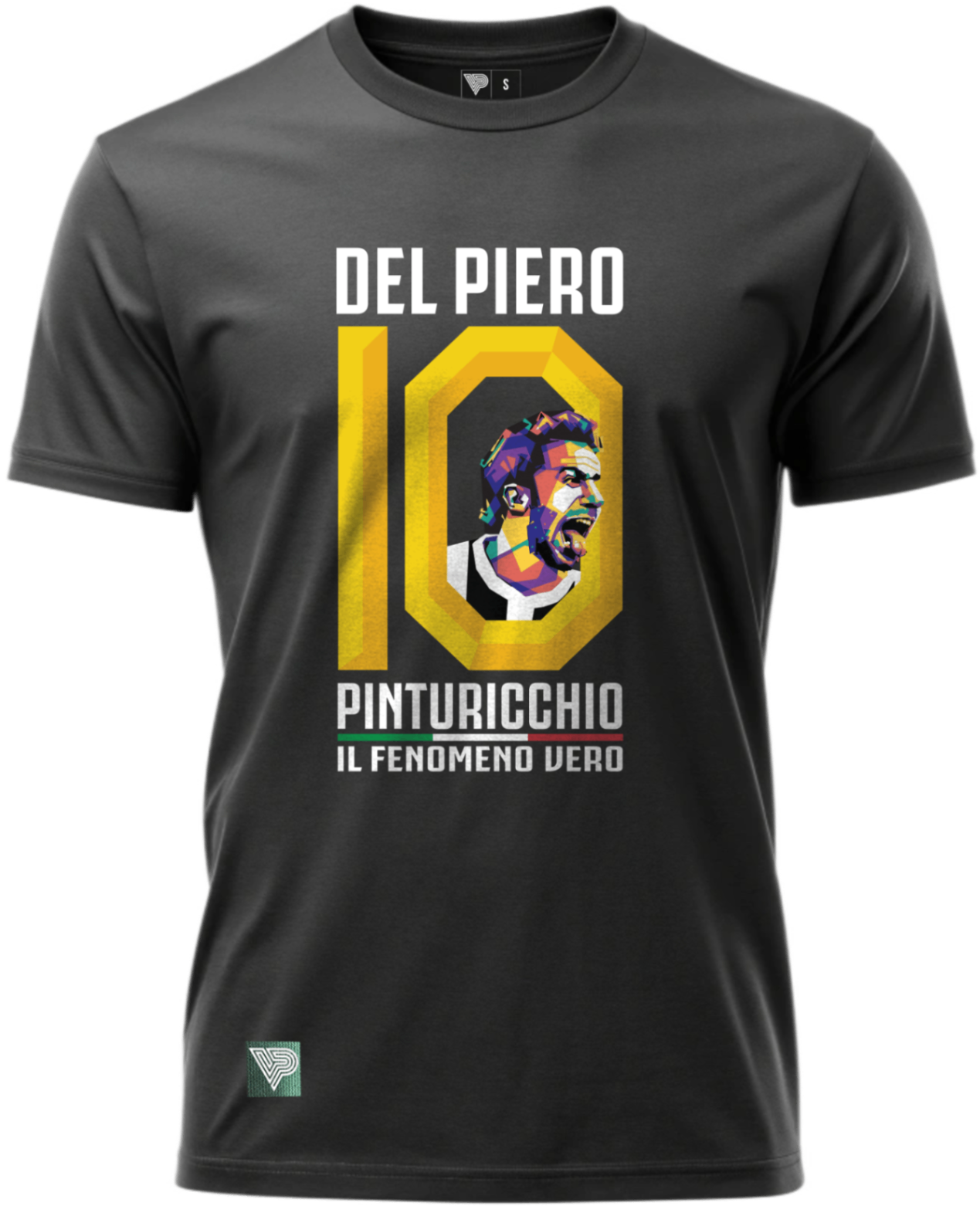
From the sun-drenched terraces of the Olimpico to the industrial heart of Turin, the heritage tee serves as a badge of insider knowledge. It signals that you understand the "Old School Calcio" genius that still rules the beautiful game, even in an era of data-driven scouting and corporate takeovers. You aren't just a spectator; you are a curator of a legacy that includes the Scudetto battles of the 90s and the poetic brilliance of players who stayed loyal to the shirt.
Calcio & Cucina: Blending the Table and the Terrace
At Vintage Pitch, we believe that the soul of football heritage is inextricably linked to the sensory experiences that surround the game. It is the smell of a slow-cooked ragù before a Sunday afternoon kickoff; it is the clinking of glasses in a Roman trattoria after a hard-fought derby. This is the "Calcio & Cucina" philosophy: the belief that football and food are the two great pillars of cultural identity.
The Retro Matchday trend embraces this intersection. It’s why a t-shirt featuring a "Derby d’Italia" graphic doesn't just show a ball and a goal; it incorporates the vintage aesthetics of pasta packaging and tomato sauce tins. It celebrates the rivalry between Inter and Juventus as something that belongs in the kitchen as much as the stadium.
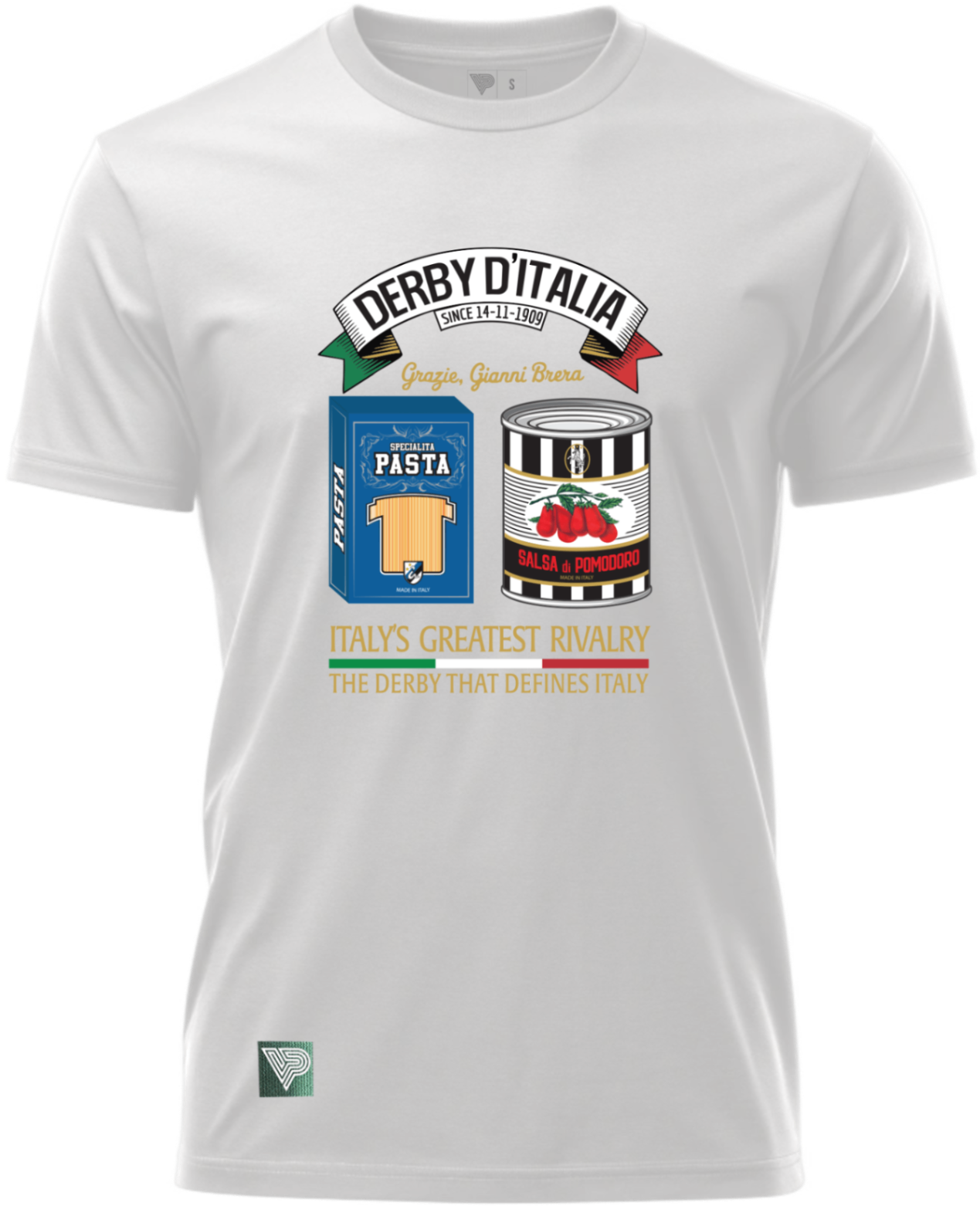
This blend is what makes the heritage tee the ultimate streetwear piece for 2026. It moves effortlessly from a high-stakes match to a casual dinner, carrying with it a sense of "if you know, you know." It’s about more than just the result on the scoreboard; it’s about the 7 looks that work both in the stands and on the streets. When you wear a shirt that pays tribute to the Carbonara & Calcio lifestyle, you are participating in a tradition that is thousands of years old, distilled into a premium cotton garment.
The 2026 Rebellion: Why Premium Cotton Wins
As we approach the 2026 tournament cycle, a new dilemma has emerged for the authentic fan. The market is flooded with synthetic "stadium jerseys" that feel like wearing a plastic bag: overpriced, mass-produced, and devoid of character. The Retro Matchday trend is the antidote to this corporate sterile-ness. It is the 2026 fan's dilemma: why you should swap your synthetic jersey for a premium cotton heritage tee.
A heritage tee from Vintage Pitch is a sensory rebellion. It offers the weight of high-quality fabric, the soft touch of treated cotton, and a fit that respects the human form rather than an aerodynamic template. It is a piece designed to age with you, to gather its own history over years of wear, unlike the fragile heat-pressed logos of modern kits that peel away after three washes.

Whether you are supporting "The Reds" or celebrating the Bianconeri, the choice to wear a heritage tee is a choice for authenticity. It is an "anti-corporate guide" to standing out at the World Cup, a way to signal that your loyalty cannot be bought by the latest neon-trim marketing campaign. You are choosing the forever reds over the modern kits because you know that true style doesn't have an expiration date.
A Cultural Identity, Not a Fashion Trend
The reason the "Retro Matchday" trend will change how you think about football tees is that it shifts the focus from the product to the person. When you pull on a t-shirt inspired by the 1995 archive aesthetic, you aren't just wearing a logo. You are wearing a story. You are wearing the heartbreak of a lost final, the euphoria of a last-minute winner, and the quiet pride of a city’s history.

This trend is a reminder that football is, at its core, a narrative. We are the storytellers, and our clothes are the medium. From the Olimpico to the streets of London, the heritage movement is about reclaiming the game for the people who actually love it. It is about the "What a feeling when you put on a new t-shirt" moment: that instant connection to something larger than yourself.
As we look toward the future of the game in 2026, the path forward is clearly paved with the stones of the past. The Retro Matchday trend has proven that while tactics change and stadiums are rebuilt, the soul of the supporter remains constant. To wear a heritage tee is to make a bold, declarative statement: I know where I came from, I know what this club means, and I refuse to let the history of the game be forgotten in the pursuit of the new.
A tribute to the legends. A nod to the grandfathers who stood on the wooden terraces. A bridge between the dinner table and the final whistle. This is the new standard of matchday attire. This is Vintage Pitch. This is the badge of your cultural identity.